
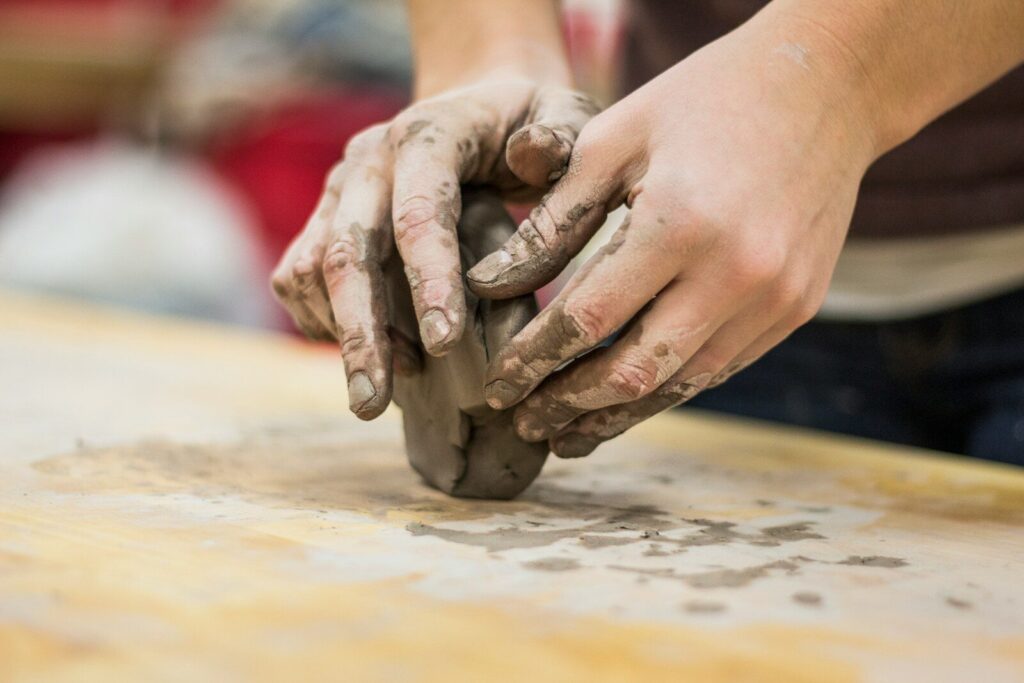
The Ultimate Guide to Non-Toxic and Plant-Based Clay for Kids’ Creative Play. Sensory play is a cornerstone of early childhood development. From squishing and rolling to pinching and sculpting, playing with modeling dough helps toddlers and preschoolers build crucial fine motor skills, hand-eye coordination, and spatial awareness. It is an open-ended activity that keeps children engaged for hours.
However, as children squeeze and mold, their hands are in direct, prolonged contact with the material. Because young skin is highly absorbent, and because young children frequently put their hands in their mouths, the ingredients in their play materials matter immensely.
Unfortunately, many commercial modeling clays are made from synthetic polymers, petroleum-based binders, artificial fragrances, and chemical preservatives. If you want to provide a worry-free creative environment, making the switch to plant-based clay is the safest path forward.
Here is your ultimate guide to understanding, choosing, and introducing non-toxic and plant-based clay into your child’s daily creative play.
Before diving into the benefits of organic alternatives, it is important to understand what makes traditional modeling materials potentially hazardous. Many parents are surprised to learn that conventional craft clays often contain synthetic ingredients:
PVC (Polyvinyl Chloride): Some bake-at-home craft clays are made from PVC plastic, which requires chemical plasticizers called phthalates to make them soft and pliable. Phthalates are known endocrine disruptors.
Petroleum Binders: Many cheaper, air-dry clays utilize mineral oils and petroleum-derived waxes to keep the clay from drying out too quickly.
Synthetic Fragrances: To mask the chemical smell of these raw materials, artificial perfumes are added, which can trigger skin irritation and allergies in sensitive children.
By choosing plant-based clay, you eliminate these synthetic chemicals entirely, replacing them with wholesome, renewable materials that come directly from the earth.
Unlike synthetic modeling compounds, genuine plant-based clay is made from simple, organic, and edible-source ingredients. The formulation is clean enough that even if a curious toddler decides to take a bite, it is entirely harmless.
Typically, high-quality plant-based clay is crafted using:
Natural Starches and Flours: Instead of synthetic polymers, the base of the clay is made from organic wheat flour, rice flour, or corn starch.
Plant-Derived Binders and Oils: To keep the clay soft, elastic, and smooth, manufacturers use natural vegetable oils, such as coconut oil, olive oil, or rice bran oil.
Organic Pigments: The vibrant colors do not come from coal-tar dyes. Instead, they are made from dehydrated plant powders, such as spinach for green, beetroot for red, and turmeric for yellow, often fortified with safe food-grade pigments.
Natural Preservatives: To prevent mold without using toxic parabens, natural brands use simple kitchen preservatives like mineral salt, cream of tartar, and citric acid.
Using natural materials does not mean compromising on performance. In fact, plant-based clay offers unique sensory benefits that synthetic alternatives cannot replicate:
Because it is made from organic ingredients, natural clay has a distinct, earthy texture and a comforting, natural weight. It feels softer and warmer in a child’s hands, providing a calming tactile experience that supports sensory integration.
Instead of artificial, chemical perfumes that can overwhelm a child’s sensory system, high-quality organic clay is either fragrance-free or lightly scented with natural plant extracts. This promotes a calm, focused environment rather than overstimulation.
The natural resistance of plant-starch dough is perfect for building the hand strength required for later academic skills, such as holding a pencil and using scissors.
Because natural clay does not contain synthetic chemical preservatives, it requires a tiny bit of extra care to maximize its lifespan. Follow these simple tips to keep your play dough fresh for months:
Store in Airtight Containers: Always store the clay in an airtight glass jar or a BPA-free container immediately after play. This prevents the moisture from evaporating.
Keep Hands Clean: Teach your child to wash their hands before playing. This keeps dirt and food crumbs out of the clay, preventing the growth of natural bacteria.
Revitalize with Water or Oil: If the clay begins to dry out or show salt crystals on the surface, simply knead in a few drops of water or a tiny splash of vegetable oil to restore its soft, pliable texture.
As parents, we strive to make the best choices for our children’s health and the environment. Choosing plant-based clay is a simple, impactful decision that protects your child from unnecessary chemical exposure while supporting sustainable agricultural practices.
When your child sits down to sculpt their next masterpiece, you can truly relax and enjoy the process with them, knowing that the modeling clay in their hands is as pure, safe, and natural as the world they are trying to create.