Why Petroleum-Free Crayons Are the Safest Choice for Your Toddler? When your toddler first grasps a crayon, it marks a thrilling developmental milestone. Suddenly, those tiny hands are translating their imagination onto paper, creating wild loops, colorful scribbles, and the very first outlines of their inner world. It is a beautiful, messy, and joyful phase of childhood development.
However, as any parent or caregiver knows, a toddler’s exploration is not limited to the paper. In their quest to understand the physical world, toddlers rely heavily on their senses, particularly their sense of taste. A red crayon is not just a tool for drawing; to a curious two-year-old, it looks, smells, and might just taste like a strawberry. In the blink of an eye, a crayon can go from the drawing board straight into your child’s mouth.
This developmental habit of mouthing objects makes the safety of early art supplies paramount. While we carefully baby-proof our homes, we often overlook the coloring box. The truth is, many conventional children’s crayons are made from petroleum byproducts. Making the switch to petroleum-free crayons is one of the simplest yet most impactful changes you can make to protect your child’s health and the planet.
To understand why petroleum-free crayons are so vital, we must first look at what goes into a standard commercial crayon. The vast majority of conventional crayons are manufactured using paraffin wax.
Paraffin wax is a byproduct of the petroleum refining process. It is the heavy sludge left behind after crude oil is refined into gasoline, diesel, and motor oil. To transform this petroleum byproduct into a consumer-ready crayon, manufacturers chemically bleach, deodorize, and treat the wax. It is then mixed with synthetic pigments, chemical plasticizers, and hardening agents.
While paraffin wax is cheap to produce, it carries hidden health concerns:
Chemical Off-Gassing: When heated or degraded, petroleum-based products can release volatile organic compounds (VOCs).
Trace Heavy Metals: The synthetic pigments used to dye paraffin wax crayons often contain trace amounts of heavy metals.
Vulnerable Developing Bodies: For an adult, contact with these materials might pose a negligible risk. However, developing toddlers are vastly more vulnerable to chemical exposures because their organs are still growing and their skin is highly permeable.
Using petroleum-free crayons completely eliminates these unnecessary chemical risks from your child’s creative playtime.
Children are not just miniature adults. Pound for pound, their bodies react differently and much more intensely to environmental toxins. Here is why parents should strictly avoid paraffin wax and choose petroleum-free crayons instead:
A toddler’s brain, nervous system, and immune system are undergoing a period of unprecedented growth. Exposure to synthetic chemicals, even in minuscule doses, can disrupt delicate hormonal balances and neurological pathways.
Behavioral studies show that toddlers touch their faces, mouths, and toys hundreds of times an hour. Any petroleum residue left on their fingers from traditional crayons is highly likely to be ingested during snack time or when they suck their thumbs.
A young child’s liver and kidneys are not yet fully equipped to filter out complex synthetic compounds and heavy metals as efficiently as an adult’s body can.
By providing petroleum-free crayons made from pure, organic, and edible-source ingredients, you eliminate these anxieties entirely. You can sit back and enjoy their creative process, rather than hovering constantly to make sure a crayon doesn’t touch their lips.
If we strip away the crude oil, what actually goes into a safe, sustainable crayon? Natural brands utilize nature’s own bounty to create vibrant, functional, and completely non-toxic art supplies.
These are the organic ingredients that define the safety of petroleum-free crayons:
Rice Wax and Rice Bran Oil: Instead of petroleum-based paraffin, high-quality petroleum-free crayons use wax derived from rice bran—a nutrient-rich byproduct of the rice polishing process. Rice wax is completely natural, vegetable-based, and inherently non-toxic.
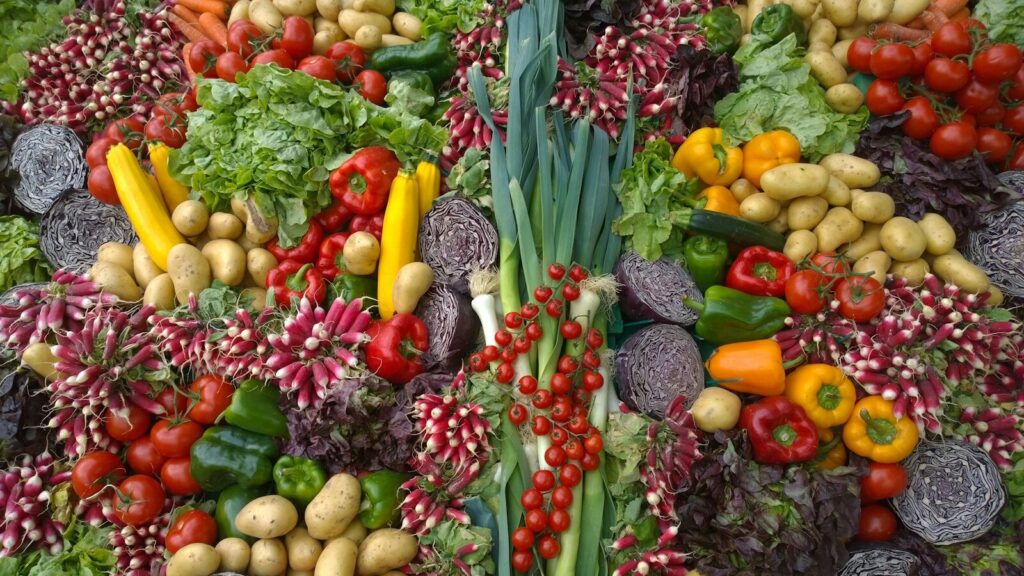
Upcycled Vegetables and Flowers: Rather than relying on synthetic dyes, the colors in these natural crayons are derived directly from nature. Leftover fruits, vegetables, and flowers that do not meet aesthetic standards for supermarkets are dehydrated and ground into fine, vibrant powders.
Food-Grade Pigments: To achieve rich, satisfying shades without risking a child’s health, any supplementary pigments used are of food-grade quality—the very same ingredients used to color foods.
The result is a set of petroleum-free crayons that are entirely plastic-free, biodegradable, and fundamentally safe. If a piece of a vegetable-based rice wax crayon accidentally ends up in your toddler’s mouth, there is no cause for panic.
The benefits of choosing petroleum-free crayons extend far beyond your living room floor. Every purchasing decision we make as parents shapes the environmental future of our children.
Paraffin wax is inherently unsustainable. Because it is a fossil fuel derivative, its extraction and refining contribute directly to carbon emissions. Additionally, conventional paraffin crayons do not biodegrade. When discarded, they sit in landfills for centuries, breaking down into microplastics that contaminate soil and water.
On the other hand, organic petroleum-free crayons made of vegetable and rice wax are completely biodegradable and compostable. Because they utilize agricultural side-streams and food waste (like discarded vegetable peels and rice bran), they are beautiful examples of a circular economy. They teach our children a silent but powerful lesson: that creativity does not have to come at the cost of the Earth.
Art is one of the most powerful ways for children to develop fine motor skills, cognitive function, and emotional expression. It should be a time of pure joy, curiosity, and freedom—not a source of chemical worry for parents.
By choosing petroleum-free crayons, you are refusing to compromise. You are choosing a product that is safe for your toddler’s developing body, gentle on their skin, and respectful of the planet.
The next time your child sits down to draw, let them explore without limits. Let them scribble, smudge, and even taste their way through the colors of nature, knowing that the petroleum-free crayons in their hands are as safe, pure, and loving as mother nature herself.